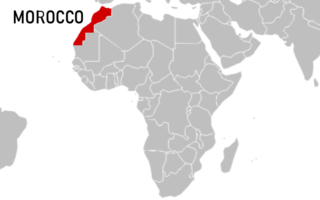
The Africa Cup of Nations 2025, commonly known by its French acronym CAN (Coupe d’Afrique des Nations), held in Morocco, stands out as one of the most successful editions of the tournament in recent history.
Its success goes far beyond what happens on the pitch and can be explained through organizational, economic, media, popular, and institutional perspectives.
Organization meeting international standards
Morocco delivered a high-level organizational performance, which played a decisive role in the tournament’s success:
- Modern and renovated stadiums meeting the requirements of the Confederation of African Football (CAF)
- Efficient logistics: transport systems, security arrangements, and stadium access
- Strict respect of schedules and international event standards
This smooth organization strengthened the credibility of the Africa Cup of Nations as a major global sporting event, not merely a continental competition.
Exceptional attendance and popular enthusiasm
AFCON 2025 benefited from remarkable popular engagement:
- Well-attended matches regardless of the teams involved
- Strong presence of supporters from across Africa
- Lively fan zones and festive atmospheres in host cities
This widespread enthusiasm gave the tournament a warm, inclusive, and vibrant identity, widely praised by broadcasters, sponsors, and observers.
A major media and broadcasting success
This edition marked a significant step forward in media exposure for the tournament:
- High television audiences across Africa and internationally
- Strong digital and social media engagement
- Enhanced visibility for African cultures, supporters, and host cities
As a result, AFCON 2025 emerged as a high-value football product, capable of competing with other major international tournaments in terms of appeal and visibility.
Significant economic impact
From an economic standpoint, AFCON 2025 generated substantial direct and indirect benefits:
- Boost to tourism, including hotels, restaurants, and transport services
- Creation of temporary jobs linked to the event
- Increased commercial activity around stadiums and fan zones
However, the economic success of the tournament was not limited to the host country.
A highly profitable tournament for CAF
One of the clearest indicators of success lies in the financial gains made by CAF (Confederation of African Football):
- Strong revenues from broadcasting and television rights
- Growth in sponsorships and commercial partnerships
- Increased value of the Africa Cup of Nations brand, thanks to a professional and stable image
Thanks to the organizational and popular success of CAN 2025, CAF was able to significantly increase its revenues, strengthening its ability to:
- Invest in African football development
- Support national federations
- Improve and expand future competitions
This edition has therefore become a financial benchmark for future Africa Cup of Nations tournaments.
A Tool for Credibility and African Soft Power
Beyond football, CAN 2025 played a broader role by:
- Enhancing the international image of African football
- Demonstrating Africa’s capacity to host large-scale, world-class sporting events
- Positioning the Africa Cup of Nations as a reliable, attractive, and economically viable competition
The tournament acted as a showcase for Africa’s organizational capability, cultural richness, and institutional maturity.
A benchmark edition for african football
CAN 2025 in Morocco is a success because it successfully combined:
- High-level organization
- Strong popular enthusiasm
- Expanded media visibility
- Tangible economic benefits
- Significant financial gains for CAF
- A strengthened global image of African football
By moving beyond purely sporting results, this edition proves that the Africa Cup of Nations can be a sustainable, structured, and economically powerful event for the future of African football.